Total RNA extraction with TRIzol and spin-column clean-up (honey bees; isopod hepatopancreas)
Nuno Ferreira 
Artur Sarmento
Luís Cunha
| Protocol ID | EnGeL-MOLB-RNA |
| Version | 1.3.0 |
| Date | 2026-11-20 |
| Status | draft |
| Area | Molecular biology (MOLB) |
| Authors | Nuno Ferreira (isopod protocol; ORCID 0000-0002-3749-3836); Artur Sarmento (bee protocol; ORCID 0000-0003-3736-1531); Luís Cunha (isopod protocol; review and approval; ORCID 0000-0002-5870-2537) |
| Reviewed and approved by | Luís Cunha |
| Laboratory | Environmental Genomics Laboratory (EnGeL-UC), Environmental Ecology & Ecotoxicology Group (E3G), Centre for Functional Ecology, Department of Life Sciences, University of Coimbra · Laboratório Associado TERRA |
| Contact | luis.cunha@uc.pt · ewormuc@gmail.com |
| Licence | Text: CC BY 4.0 · Code: MIT |
| Main hazards | 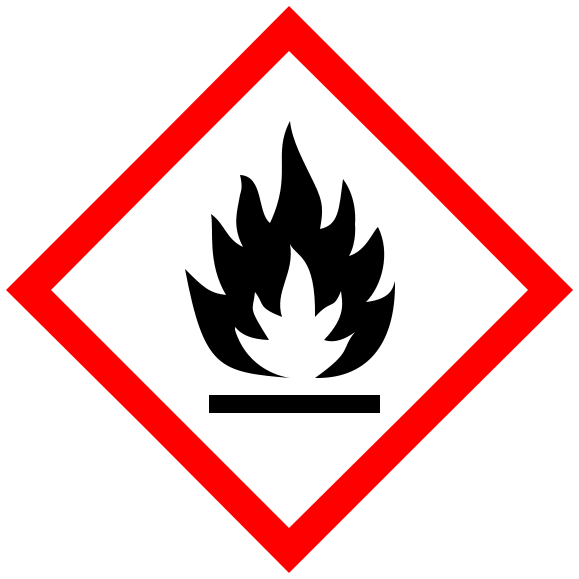 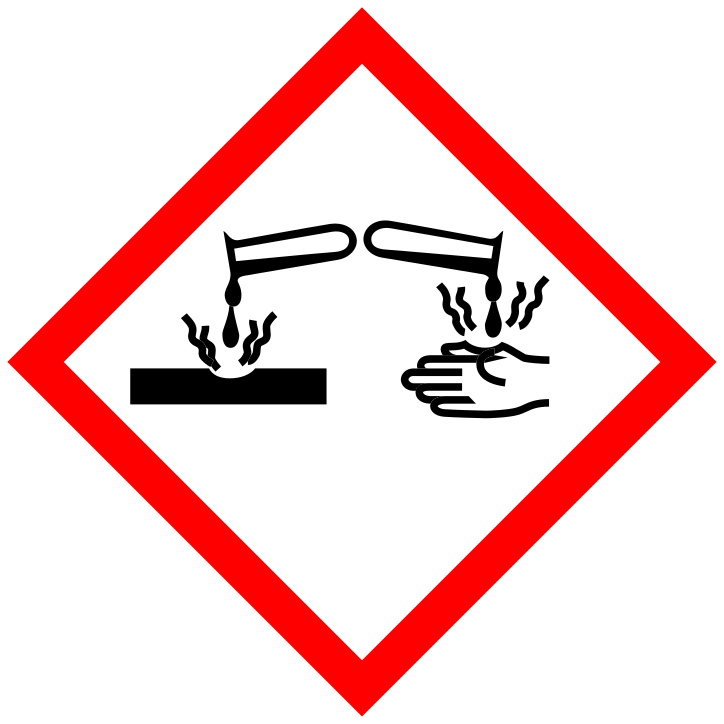  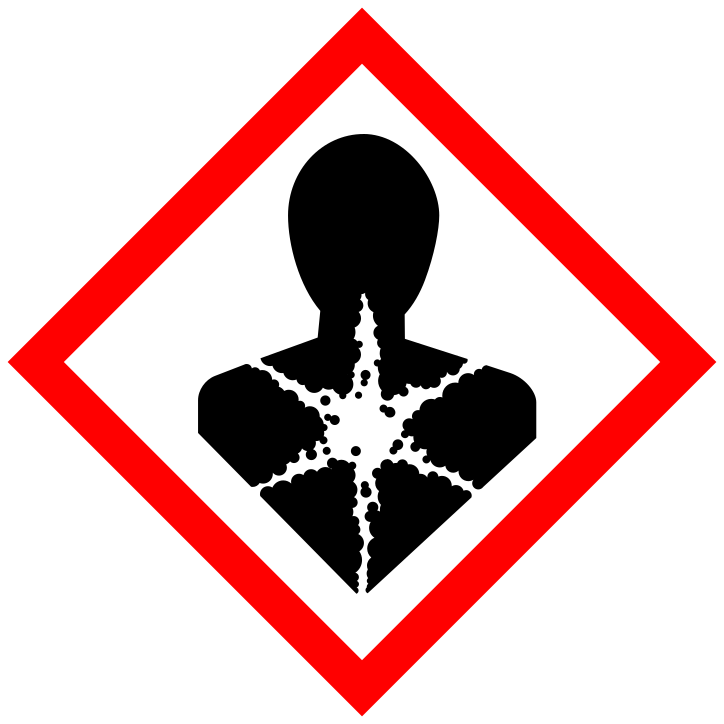 TRIzol (phenol, guanidine isothiocyanate): toxic and corrosive [TO CONFIRM against the SDS]; Chloroform: harmful, suspected carcinogen [TO CONFIRM against the SDS]; Ethanol: flammable |
| Downloads | Protocol: PDF · Word. Bench sheet: PDF · web page |
1 Purpose and scope
This protocol extracts total RNA from whole honey bees and from isopod hepatopancreas, for gene expression and other RNA-based analyses. Both sample types use TRIzol homogenisation and chloroform phase separation; the aqueous phase is then cleaned on a spin column. The two source protocols use different column kits, so the clean-up is given separately for each sample type (A: bees; B: isopod hepatopancreas). Other sample types need validation.
2 Principle
TRIzol (phenol and guanidine isothiocyanate) lyses the tissue and keeps RNA intact. After chloroform is added and the sample is centrifuged, the mixture separates into a pink organic phase at the bottom, a white interphase and a colourless aqueous phase at the top, which contains the RNA. The aqueous phase is mixed with cold 70% ethanol and bound to a silica column; the column is washed (bees: with on-column DNase digestion), dried, and RNA is eluted in RNase-free water.
3 Before you start
| Item | Details |
|---|---|
| Hands-on time | [TO CONFIRM] |
| Sample | A: one whole bee per tube. B: one hepatopancreas per tube [TO CONFIRM: amount]. Storage before extraction [TO CONFIRM]. |
| Prepare in advance | Centrifuge at 4 °C; 70% ethanol pre-cooled in the freezer; bees: DNase digestion mix prepared just before use |
| RNA work | Change gloves at the points marked in the procedure; use RNase-free tubes and filter tips [TO CONFIRM: other RNase precautions] |
| Key safety points | TRIzol and chloroform: see Safety and waste |
4 Materials
4.1 Equipment
- Refrigerated microcentrifuge (4 °C; ≥ 15 000 × g)
- Bead-beating homogeniser (6.5 m/s) [TO CONFIRM: model] — bees
- Mechanical tissue homogeniser [TO CONFIRM: model] — isopod hepatopancreas
- Fume hood [TO CONFIRM: used for TRIzol and chloroform]
- Freezer (−20 °C) for pre-cooling 70% ethanol
- NanoDrop spectrophotometer — see EnGeL-MOLB-NANODROP
4.2 Consumables
- Tubes with beads (bees) [TO CONFIRM: type]
- RNase-free 1.5 mL microtubes and filter tips
- Spin columns and collection tubes (in the kits)
4.3 Reagents and kits
- TRIzol reagent [TO CONFIRM: supplier and catalogue number]
- Chloroform
- Ethanol 70% (pre-cooled in the freezer) and ethanol 100%
- RNase-free water
- Bees: NZY Total RNA Isolation kit (NZYtech, MB134) [TO CONFIRM: kit identity], containing:
- Buffer NI
- Buffer DI
- DNase I
- Buffer NWR1
- Buffer NWR2
- Isopod hepatopancreas: Qiagen RNeasy-type columns with Buffers RW1 and RPE [TO CONFIRM: kit identity], containing:
- Buffer RW1
- Buffer RPE
5 Reagent preparation
- Ethanol 70%: pre-cooled in the freezer [TO CONFIRM: preparation with RNase-free water].
- DNase digestion mix (bees): per sample, 90 µL Buffer DI + 10 µL DNase I; prepare during step A.
- Kit buffers: prepare as stated on the bottles (e.g. ethanol added to wash buffers) [TO CONFIRM].
Differences between the two sample types
Sample-type settings.
| Step | A. Bees | B. Isopod hepatopancreas |
|---|---|---|
| TRIzol | 300–500 µL | 300 µL |
| Homogenisation | Bead beating 6.5 m/s, 2 × 30 s | Mechanical homogeniser; then 5 min at room temperature |
| Chloroform | 200 µL, mix by pipetting | 150 µL, vortex |
| Phase separation | 14 000 × g, 15 min, 4 °C | 15 000 × g, 15 min, 4 °C |
| Cold 70% ethanol | 350 µL | 250 µL |
| Column kit | NZY Total RNA (NI, DNase, NWR1, NWR2) | RNeasy-type (RW1, RPE) |
6 Procedure
6.1 Before starting
- Set the centrifuge to 4 °C.
- Clean the bench and work with RNase-free tubes and filter tips [TO CONFIRM].
6.2 A. Honey bees
- Put 300–500 µL of TRIzol and the bee in a tube with beads.
- Homogenise in the bead-beating machine at 6.5 m/s for 30 s, twice.
- Centrifuge at 4 000 × g for 3 min at 4 °C.
- Transfer the liquid to a new tube for the chloroform step [TO CONFIRM: volume transferred].
- Add 200 µL of chloroform and mix well by pipetting.
- Incubate for 3 min at room temperature.
- Centrifuge at 14 000 × g for 15 min at 4 °C. Three phases form (pink at the bottom, a white layer in the middle and a colourless supernatant on top); take as much of the upper phase as possible.
- Add the upper phase to 350 µL of cold 70% ethanol and pipette up and down.
- Change gloves.
- Transfer to the (blue) column and centrifuge at 11 000 × g for 30 s. If needed, load the sample in portions of 500 µL. Discard the flow-through.
- Add 350 µL of Buffer NI and centrifuge at 11 000 × g for 30 s. Discard the flow-through.
- Prepare the DNase digestion mix (90 µL DI + 10 µL DNase I per sample). Add 95 µL to the column and incubate for 15 min at room temperature.
- Add 200 µL of Buffer NWR1, centrifuge at 11 000 × g for 1 min and discard the flow-through.
- Add 600 µL of Buffer NWR2, centrifuge at 11 000 × g for 1 min and discard the flow-through.
- Add 250 µL of Buffer NWR2, centrifuge at 11 000 × g for 1 min and discard the flow-through.
- Place the column in a new microtube and centrifuge at 11 000 × g for 2 min to remove residual buffer.
- Place the column in a new microtube, add 20 µL of RNase-free water to the column and wait 1 min.
- Change gloves. Centrifuge at 11 000 × g for 1 min: the eluate is sample 1.
- Place the column in a new microtube, add 20 µL of RNase-free water and wait 1 min. Centrifuge at 11 000 × g for 1 min: the eluate is sample 2.
- Measure concentration and quality on the NanoDrop (EnGeL-MOLB-NANODROP).
6.3 B. Isopod hepatopancreas
- Homogenise the hepatopancreas in 300 µL of TRIzol in a mechanical homogeniser.
- Incubate for 5 min at room temperature.
- Add 150 µL of chloroform and vortex well.
- Incubate for 3 min at room temperature.
- Centrifuge at 15 000 × g for 15 min at 4 °C. Three phases form (pink at the bottom, a white layer in the middle and a colourless supernatant on top); take as much of the upper phase as possible.
- Add the upper phase to 250 µL of cold 70% ethanol and pipette up and down.
- Transfer to the column and centrifuge at 8 000 × g for 10 s. If needed, load in portions of 500 µL. Discard the flow-through.
- Add 700 µL of 100% ethanol and centrifuge at 8 000 × g for 15 s. Discard the flow-through. This extra wash is intended (lab practice); it is not part of the standard RNeasy procedure.
- Add 700 µL of Buffer RW1 and centrifuge at 8 000 × g for 15 s. Discard the flow-through.
- Add 500 µL of Buffer RPE and centrifuge at 8 000 × g for 15 s. Discard the flow-through.
- Add 500 µL of Buffer RPE and centrifuge at 8 000 × g for 3 min. Discard the flow-through.
- Place the column in a new microtube and centrifuge at ≥ 12 000 × g (microcentrifuge, 1.5 mL tube rotor) for 2 min to remove residual buffer.
- Place the column in a new microtube, add 20 µL of RNase-free water and wait 1 min. Centrifuge at 8 000 × g for 15 s: the eluate is sample 1.
- Place the column in a new microtube, add 20 µL of RNase-free water and wait 1 min. Centrifuge at 8 000 × g for 15 s: the eluate is sample 2.
- Measure concentration and quality on the NanoDrop (EnGeL-MOLB-NANODROP).
6.4 RNA storage
- Store the RNA at [TO CONFIRM: −80 °C?] until use.
6.5 After finishing
- Clean the bench with 70% ethanol.
- Empty the small bench bin into the right waste bin.
- Wash your hands.
- Turn off equipment and lights.
- Lock doors, fridge and freezer.
7 Calculations
Not applicable: volumes are per sample. For \(n\) samples, prepare \(V = v \times n \times 1.1\) of each solution (\(v\): volume per sample, µL; 1.1: 10% excess).
8 Quality control
| Control | Purpose | Acceptance criterion |
|---|---|---|
| RNA purity (NanoDrop A260/A280, A260/A230) | Protein, phenol or salt carry-over | Classic ratios: A260/A280 about 2.0 and A260/A230 2.0–2.2; values outside are flagged |
| RNA concentration | Enough RNA for downstream use | > 10 ng/µL |
| RNA integrity | Degradation | [TO CONFIRM: e.g. TapeStation RNA ScreenTape, used in the lab?] |
| Extraction blank | Contamination | [TO CONFIRM: used?] |
9 Data and metadata
- Sample labels: EnGeL labels from the sample master data file; each RNA extract gets its own code (sample nature
RNA), with the source sample code in a separate column. Sample 1 and sample 2 (two elutions) are recorded separately [TO CONFIRM: or pooled]. - Where: [TO CONFIRM: project records] and the lab book.
10 Safety and waste
Follow the manufacturer’s instructions and safety data sheets for each reagent. Biological samples are potentially hazardous and are handled following the facility’s procedures. EnGeL lab rules:
Before you enter: wear your lab coat, use appropriate gloves, closed shoes only, tie back long hair.
Not allowed: eating or drinking; touching phones or laptops with contaminated gloves; bags or coats on benches.
Label all reagents (name, concentration, date) and treat all chemicals as hazardous.
TRIzol contains phenol and guanidine isothiocyanate: toxic and corrosive; avoid skin contact and inhalation [TO CONFIRM against the SDS; work in the fume hood?].
Chloroform: harmful if inhaled or swallowed; suspected carcinogen [TO CONFIRM against the SDS].
Buffers containing guanidine salts: do not add bleach or acidic solutions to guanidine-containing waste, as highly reactive compounds can form. Keep this waste separate from the bleach used for bench and tool cleaning.
Ethanol and isopropanol are flammable (to be confirmed against the SDS). Keep away from flames and heat sources.
Waste
EnGeL waste streams (choose the right bin):
- Biological solid waste (black bin, white bag): contaminated gloves, contaminated disposable materials, solid biological laboratory waste, contaminated PPE. No liquids or sharps.
- Specific hazardous waste (red bin, red bag): chemicals and pharmaceuticals designated for this waste stream, specific hazardous laboratory waste, anatomical material; sharps only in a rigid sharps container. No loose sharps.
- Biological liquid waste (jerrican, UN 3291): liquid biological waste and contaminated biological liquids only. Use a funnel; rinse the original container and the funnel with dH2O and discard the rinse water in the same jerrican.
For this protocol: the organic phase and interphase (TRIzol, chloroform) [TO CONFIRM: waste route; halogenated solvent waste is not one of the three EnGeL streams]; column flow-through to biological liquid waste (jerrican), never with bleach; tubes, columns and tips to biological solid waste (black bin).
11 Troubleshooting
| Problem | Likely cause | Solution |
|---|---|---|
| Sample does not fit the column | Large aqueous phase + ethanol volume | Load in portions of 500 µL. |
| Low A260/A230 | Carry-over of TRIzol or salts | [TO CONFIRM] |
| Genomic DNA in the RNA (isopods) | No DNase step in path B | [TO CONFIRM: add on-column DNase?] |
12 Remarks
The source protocols are in Portuguese; this version is a translation that keeps their steps and values. The Roslin SOP for RNA isolation from frozen tissue is in the source folder for reference.
13 References
Qiagen (2006). RNeasy Mini Handbook (04/2006): 8 000 × g (10 000 rpm) for loading, washes and elution; full speed for the dry spin.
[TO CONFIRM: TRIzol reagent user guide; NZY Total RNA Isolation kit manual.]
14 Version history and citation
| Version | Date | Change | By |
|---|---|---|---|
| 1.0.0 | 2026-11-16 | First EnGeL-UC version, translated from the lab protocols “Protocolo para a extração do RNA total” for honey bees (FFR, 2026) and for isopod hepatopancreas (2020). | Luís Cunha |
| 1.1.0 | 2026-11-16 | Isopod path: speeds given as × g (10 000 rpm = 8 000 × g, as in the Qiagen RNeasy Mini Handbook; dry spin at full speed). | Luís Cunha |
| 1.2.0 | 2026-11-16 | Isopod path: dry spin at ≥ 12 000 × g (1.5 mL tube rotor). | Luís Cunha |
| 1.2.1 | 2026-11-16 | Isopod path: extra 100% ethanol wash confirmed as intended. | Luís Cunha |
| 1.2.2 | 2026-11-17 | Author of the bee protocol identified as Artur Sarmento, with ORCID (the source was signed “FFR”). | Luís Cunha |
| 1.2.3 | 2026-11-17 | Authorship: all who contributed are authors, with their roles; lead author first where identified, reviewer (Luís Cunha) last. | Luís Cunha |
| 1.2.4 | 2026-11-20 | Authors of the isopod protocol confirmed by Luís Cunha: Nuno Ferreira and Luís Cunha. | Luís Cunha |
| 1.2.5 | 2026-11-20 | ORCID of Nuno Ferreira added. | Luís Cunha |
| 1.2.6 | 2026-11-20 | GHS pictograms for ethanol, chloroform and phenol (harmonised EU classification); TRIzol still to be checked against its safety data sheet. | Luís Cunha |
| 1.2.7 | 2026-11-20 | Cross-references to the nucleic acid QC protocols, now split into EnGeL-MOLB-NANODROP, EnGeL-MOLB-QUBIT and EnGeL-MOLB-PICOGREEN. | Luís Cunha |
| 1.3.0 | 2026-11-20 | RNA purity (classic ratios) and concentration (> 10 ng/µL) criteria confirmed by Luís Cunha. | Luís Cunha |
How to cite
Ferreira N, Sarmento A, Cunha L (2026). Total RNA extraction with TRIzol and spin-column clean-up (honey bees; isopod hepatopancreas). EnGeL-UC protocol EnGeL-MOLB-RNA, version 1.3.0. Zenodo. DOI [TO CONFIRM].
Licence
Text: CC BY 4.0. Code: MIT. Logos are the property of their institutions and are not covered by the licence.
15 Open questions
- DOI.
- Kit identities: bees — NZY Total RNA Isolation kit (NI, DI, DNase I, NWR1, NWR2)? Isopods — Qiagen RNeasy (RW1, RPE)? Catalogue numbers.
- Bees: volume transferred to the new tube before chloroform; bead tube type and bead-beater model.
- Sample storage before extraction; RNA storage temperature; sample 1 and 2 kept separate or pooled?
- RNase precautions; fume hood for TRIzol and chloroform.
- QC acceptance criteria for integrity; extraction blanks.
- Waste route for the TRIzol/chloroform organic phase.
- Hands-on and total time.